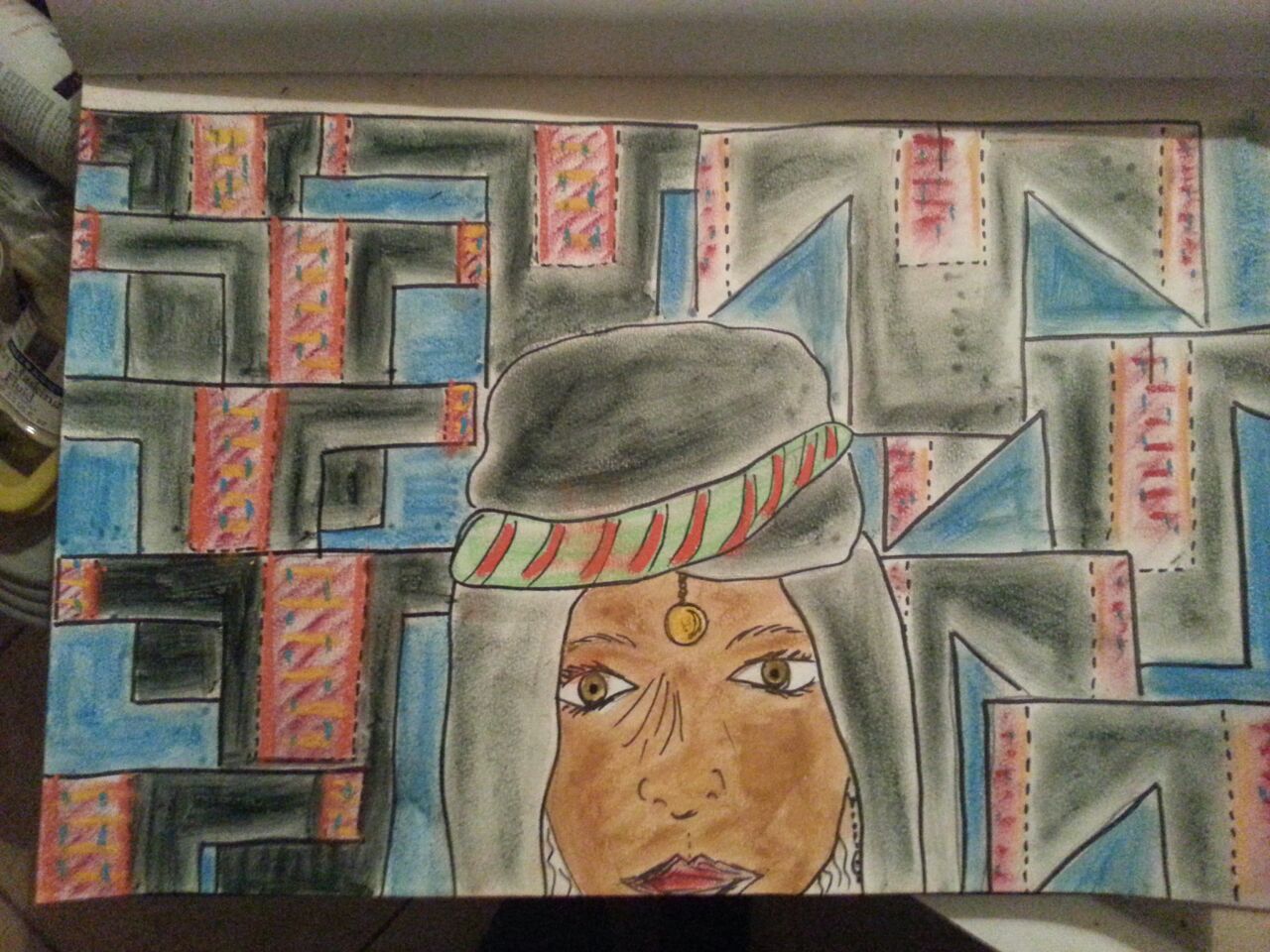
Morning Diary: Visiting Nasra “Nazareth” |اليوم السادس: زيارتي في الناصرة الساحرة و القرى المجاورة في فلسطين المحتلة

  1. April 25, 2015

I am so much behind on my Morning Diary. I have been scattered around the occupied areas of Palestine the past few days with very little access and time to internet. But I will do my best to post more often.

So anyway, last week, we decided to spend our saturday in Nasra or what is also known as Nazareth. I have figured out that most of the cities and villages names in Palestine have been changed to a hebrew sound alike name or the translation and meaning to Hebrew. For example, I have visited the destroyed village of Saffuriya, that today is named as “Tzippori” and is occupied and terrorized by Jewish Kibbutz or to some known as settlements.

Saffuriya is believed to be the birthplace of Mary “Mother of Jesus”, has been indicated to have been inhabited as early as the Iron age and building work can be verified from the 4th century. Was lived by Arabs whom shared a culture but were diverse in religion. Today Saffuriya is a destroyed village, with homes all demolished and only Jewish Kibbutz and Moshavs are found.

If you ever wonder where all the people of the destroyed villages go, then let me tell you that they are scattered in refugee camps, in nearby villages, or citizens of foreign countries. A village like Saffuriya today is only resided by Jewish, and you will not find any Arabs there, and Arabs are not allowed to buy or own property. Most of the people who were once upon a time from Saffuriya are still heart-broken for not being able to go back to where it was once called “home”. Unfair is a little underrated.

Anyway, on my day in Nasra, I went to a very famous spice shop “Elbabour – Galilee Mill” founded in 1905, after which we started walking in the old city to come across The Church of the Annunciation “كنيسة البشارة”, which is known as what used to be the home to Mary. We then walked the old market, met some few generous Palestinians from the market, and enjoyed a great middle-eastern meal of Mashawi and humus.

After that I met with family relatives, who decided to take me to the destroyed village Saffuriya and informed me about the tradition of the villagers who gather and meet at the ruins of the village away from the settlements on the day of the Nakba “May 15 1948” and mourn over the memory of the village. I also learned that this is a tradition by all the people who come from destroyed villages.

I was then taken to another village “Reineh” that resisted the occupation and were lucky to keep their village in 1948. This is a village only lived by Palestinians, Arabs both Christian and Muslim and is considered to be Israel. Under the occupation. This village is lived by people from Reineh and people from close by destroyed villages. Their memories of Israeli terror have been passed down to their children, and their children have passed down the memories to us and it shall continue until we reach the freedom to all the Palestinians around the world.

في ناس طلبت مني اكتب بل عربي. و انا كتير حابه بس للاسف مش متعودة و عندي اخطء املأية كتير فأعزروني بس رح احويل. و اليوم رح تكون اول تجربة.

الاسبوع الماضي روحت على الناصرة، الي في المناطق المحتلة من اسرأيل.  انو انا بشوف انو كل فلسطين تحت الاحتلال. لانو الفلسطنبة بكل انحاء العالم تحت نفس الاحتلال من جهات مختلفة. الي بسموهم فل داخل عايشين الاحتلال الاول كون جوازاتهم و التزامتهم مع اسرأيل نفسها. الي فل ما يتسما بل ضفة فهمه محرومين الحركة الحرية في المناطق المحتلة الى في تقديم لتصريح ممكن ينرفض. الفلسطنية الي فل دول حولين العالم، ازا كانت جوازتهم عربية فهي شبه مستحيلة للزيارة غير الاستحالة للعودة. الفلسطنية الي عندهم جوازات اجنبية و الحصول على جوازات اجنبية مش سهلة عندهم الامكانية للزيارة بس بعملهوم زي اي فلسطيني بشدة و صعوبة مررور. الفلسطنية الي بل مخيامات فهمه قضية تانية لحالها.

المهم انا رحت على الناصرة، و اجمل اشي بكل فلسطين، هوه جمال تاريخها الواضح. و اكتر شي بألم و بجرح هوه وضوح اليهود المحتلين بيوت العرب و التاريخ، الثقافة و العادات. انا روحت على محل بهارات فل ناصرة موجود من عام 1905 “البابور في منطقة الجليل الناصرة الساحرة“, و كل ما اشوف اشي تاريخي ليسا لفليسطيني و عربي بقول الحمدلله. و بعدين مشينة عل الارض العريقة و قديمة لكنيسة البشارة الي معروف انو ستنا مريم كانت ساكنة في. بعد هي التجربة الروحانية الجميلة روحنا اكلنا مشاوي و حمص فلسطيني.

بعدين، اجوا اخدوني ارايب فلسطنية ما عمري التقيت فيهم من قبل و طبعا زي كل الفلسطنية و اكتر كان ترحيبهم جميل جدا. اخادوني لقرية مهجرة اسمها “صفورية” المهدمة. هاي القرية معروفة بأنو ستنا مريم نولدت فيها. و وقت الاحتلال هرابوا و طرادوا كل اهل القرية غلى المناطق المجاورة، و هادوا كل بيوتها، بس ممكن تروحوا و تلاقوا بواقي. زي الدرج الي بل الصور “تحت” او السور او… و اهل القرية الي ليسا موجدين بل مناطق المحتلة كل سنة وقت النكبة 15/05/1948 بروحوا على القرية و بحيوا الزكرة بالقصص القديمة. هادا اشي سنوي بيسير بكل القرة المهجرة و هوه اشي فعلن جميل و مؤلم بنفس الوقت.

روحت كمان على قرية مجاورة “الرينة” الي لعرب، و سكانها منها و من القرة الي اتهجرت من عجمبها.

انشالله تجربتي الاولى بلغتنا المميزة و الجميلة ما تكون كتير سيأة و انا رح احويل اني اقويها و اكتب اكتر بلعربي.


Morning Diary: Visiting Akka “Akko” |اليوم الخامس: زيارتي في عكا فلسطين المحتلة

April 24 2015

Visiting Akka, is like a dream come to reality. I have been here 3 years ago and today felt like the very first time again. The stone speaks to you history, the colors are ancient Arabian, a City like this can not be anything but pure Middle-Eastern.

I have learned so much today, so much about the Palestinian culture and the Israelis. I have learned that where you see trees of cactus and fig, then be certain that the Arabs live or have lived there. Palestinians used to grow cactus around their villages, and Israel has been trying to get rid of them, but cactus trees are stubborn. I have learned that Israel built itself from building communities through Kibbutz and Moshav. A kibbutz is a group of people and families who live together, eat together, grow up together, go to school together and share their money equally. And a Moshav is like a neighborhood that includes a small land along with the house for families to plant and use for agriculture. Both are with a gate that closes at night and need a special code to enter, and both are only Jewish. I learned that Akka is connected to Ras al-Nakhoura “Rosh HaNikra” and is a chalk cliff that were formed into cave looking mountains from the Mediterranean Sea.

I learned that occupied Palestine is a love affair. You can never get enough of learning about it, and the more you learn about it, the deeper you fall in love with it. I learned that Palestine wants to be for everyone and Israel’s occupation is only diluting it.

Morning Diary: Attending Al Nakba Protest versus Israel Independence Day Celebrations |اليوم الرابع: مسيرة العودة يوم احتفال اسرائيل لعيد استقلال

April 23 2015

As soon as I told my mother that I will be in Palestine during the day the Israelis celebrate their independence day, she replied to me saying, “Independence from who or what?”. Seriously. What independence are they celebrating? Our Nakba? The Palestinian occupation? Are they celebrating winning over a land that was never theirs? For those who are not aware of what Nakba is: In 1948 750,000 Palestinians were forced to leave their homes along with 31 massacres, and 531 Palestinian villages destroyed. Unfortunately house demolishing, village destroying and more Palestinians are being forced to leave until today. And this is what Israel is celebrating.

Oh well, there are so many things in this country that just sound crazy, to those who are well exposed to the truth of it all. Anyway, on that very same day, Palestinians who are in occupied Palestine “known as Israel” join a protest in one of the 1948 destroyed villages, demanding the rights of all the Palestinian around the world to return home. Not only do most Palestinians around the world have no rights to return home, but yet worse than all of that, most Palestinians around the world (including the West Bank) are not allowed to even visit their own home. And this is a fact. So Palestinians in the West Bank are unable to join the protest, unless they have permission from Israel.

I was unable to make it all the way to where the protest took place, but I did go half way, and I was very much touched to see children and elders join the protest. A woman who was in her late 70’s said, “I have joined this protest since they started 18 years ago, and I will join it every year until we get our rights to return home.”

Besides the storming politics of my day, I had a wonderful Palestinian breakfast prepared by one of the most generous and warm Palestinian mother who lives in occupied Palestine. She made me a dish called “Shakshoka” and it is just like “Alayet Bandoura with eggs”. Delicious. I was very lucky to meet such a warm family.

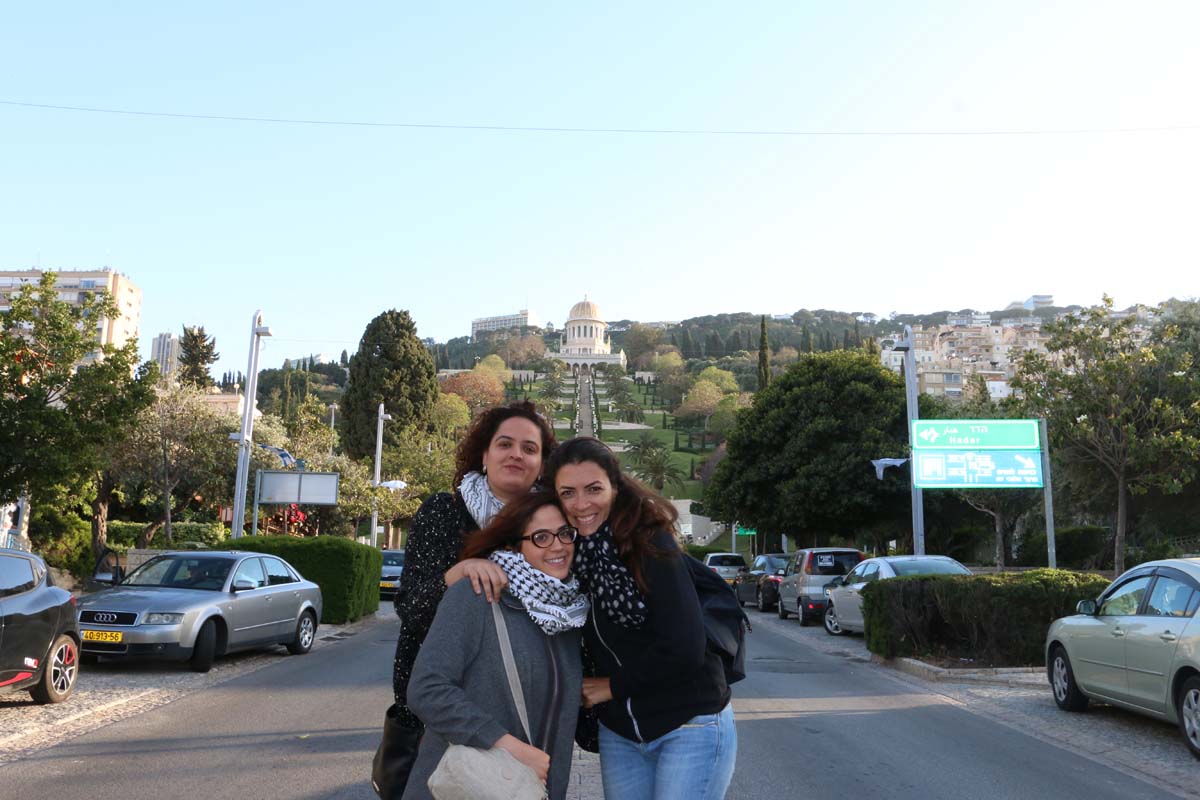
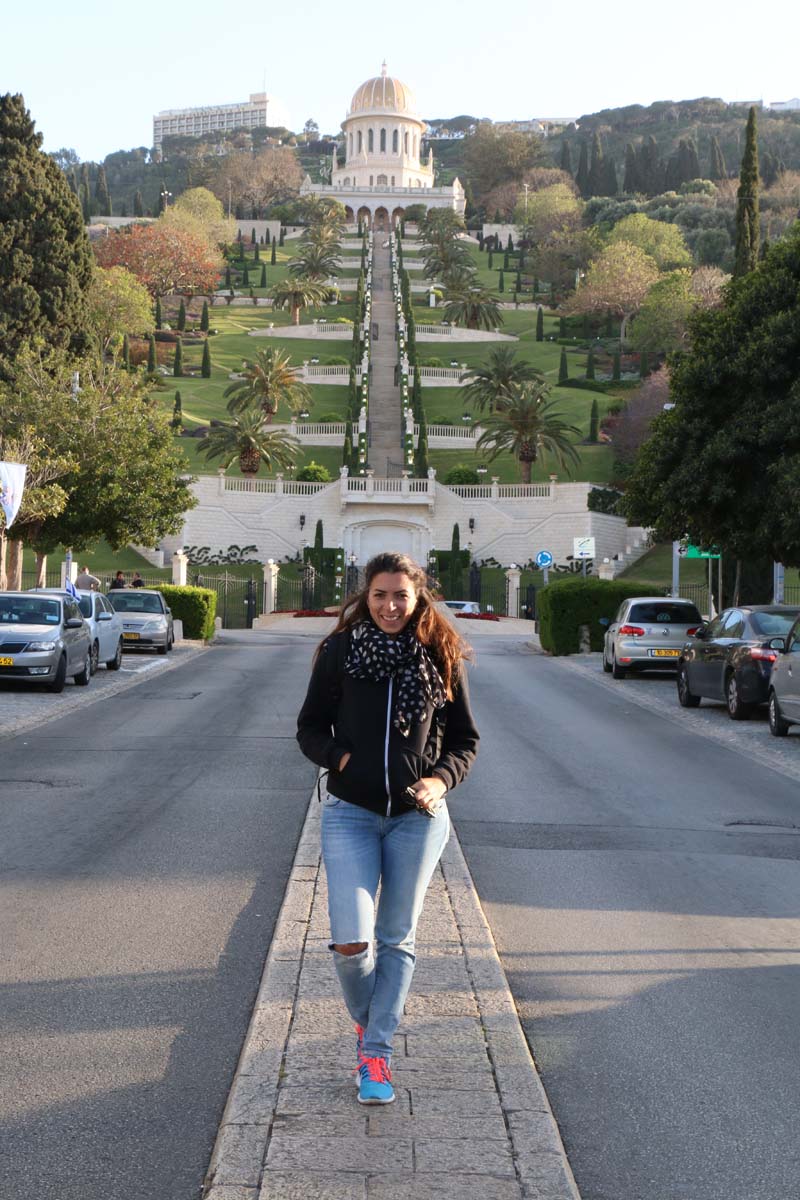
Later in the evening, we headed to Haifa, one of my favorite cities in Palestine. I had a walk around the neighborhood and was invited for dinner: a great dish of Kofta with Tahini at the German Street.

Al Bahai Garden Architecture houses and nature of Haifa Palestine IsraelAl Bahai Garden Architecture houses and nature of Haifa Palestine Israel

Morning Diary: Moving from Nablus to the Occupied Territories – Palestine Israel | اليوم الثالث:زيارتي من نابلس الى المناصق المحتلا

April 22 2015

I couldn’t blog my last few days since I was caught up between moving from one place to another, lost my connection as I moved from the West Bank area (supposedly a free Palestinian area only you are a little locked in and have no rights to move out without the permission of the Israelis) to the 1948 occupied Palestinian areas (or to what most people refer to as Israel). So if you have a Palestinian line in the Palestinian territories, you can no longer use it in the occupied territories, and we are talking about areas that are only 10 minutes away from one another. Insane, but true.

But anyway, on my third day, I was lucky enough to have a local Nabulsi نابلسي young man to be my guide and show me around, and he showed me the wonders of Nablus. As the Samaritans السامريون told me there: “3 things you must do while in Nablus” 1- Eat Knafeh 2- Visit a Nabusli Soap Company مصنع صابون نابلسي and 3-Visit Mount Gerizim but I believe you should add 4- Have Mashawi BBQ 5- Walk the old city and 6- Visit Mount Ebal.

And truly, this is what I did, we went to one of the biggest Nabulsi Soap companies in Nablus “Al Jamal – Shakaa Company” and I promise you it is like going into Disney land, for it is a world of it’s own, and not just any world, a beautiful slippery one. I truly loved it from learning about the Olive Oil to how they mix with Water and very little baking soda, then they spread it in an indoor field, they leave it for about 4 months to dry, hand cut each one, hand stamp each one, and hand package each one. Amazing.

Then we went to have food, great Mashawi, made with the best spices, of-course this meal should be followed with a Knafeh the most amazing dessert in Palestine. As we finished we headed to the “Khan Al Wikaleh” old city where the oldest cinema is located and what is now known as where the Milano shoe shop is. We checked out the new project renovation that is just beautiful to visit. You will find Ancient Roman leftovers.

As we finished we headed towards the hilltop of Jirzeim where the Samaritans are located, and we went for a tour there where apparently they have a gate of their own and you sort of need permission to enter. As we were finished, time have passed us by and I had to rush back and leave Nablus to Tulkarem to meet with my friends from the 1948 occupied area.

I was there in no time, my friends from Nablus could no longer go further; they were not allowed in the occupied territories (into Israel). Since they are not occupied by the Israelis, they are locked in the West Bank. Therefore we had to wait for my Palestinian friends who have Israeli passports to come in and pick me up to cross the boarder.

I went in and started my journey inside the 1948 occupied territories. Again greeted by the warmest Palestinian families, they made me feel at home. The warmth they have in their hearts is remarkable. I was welcomed into 3 homes, listening to stories that break our hearts and eating food cooked by Palestinians. I had Fteret Zaatar and Wara Dawali.

Morning Diary: Visiting Ramalla – Palestine | اليوم الاول: زيارتي في رام الله

April 20 2015,

I left Amman on the 19th towards Palestine, what is supposed to be an hour drive. But since I have to cross the border with a Canadian passport and an Arabic name, regardless that it is not mentioned anywhere that I am originally Palestinian, but I seem to carry a well-known Palestinian family name and a Jordanian passport like most Palestinians, it had to take me 6 hours to get there.

Five hours of waiting. interrogated 4 times with the same set of questions, and there you go, half my day was spent at the border staring at the ceiling. Worth it. At least for me. Palestine is worth a wait for days, months, and to many of us, years and generations.

I arrived to Ramalla, starving. So we went to have the best Shwerma in town “Abu Iskandar”. Seriously, it is the size of 3 shwerma sandwiches in Amman. Delicious and rich. The next day, I went to visit Kalandia Refugee Camp and met “Im Nimer” a woman who was thrown out of her own village Sar’a قرية صرعة and is still waiting to go back. She has her house key saved around the house, although her house was demolished years ago. She said to me, “I want to go back, I don’t care where I will stay, I will sit on fabric under a tree for all I care, I just want to feel back home, back to where I belong, back to what was once taken away from me by force, where I met my husband, where I planned my wedding, and I want to just live my last 2 months before I die.”

After this heart breaking story, I went to visit Beirzeit, a Palestinian town very close to Ramalla. Very old, and very authentic. Met another old woman by coincidence as soon as we parked, she looked gorgeous and stylish, I couldn’t resist taking photos of her, and then she expressed so much love to me, I am someone that she doesn’t know, just a Palestinian stranger, but to most Palestinians, you are no longer a stranger if you meet randomly, you are always lucky to meet new faces to welcome and cherish.

I then headed back to Ramalla, had another shwerma from Iskandar, and walked around the old city of Ramalla Tahta and the city center.

The 3 Art Pieces in this photo gallery are by the Palestinian Artist Majd AbdelHamid.

How our culture can be your best work of Art. Jaipur, Holland, Thailand, & Palestine.

Have you come across the brand Mochi yet?

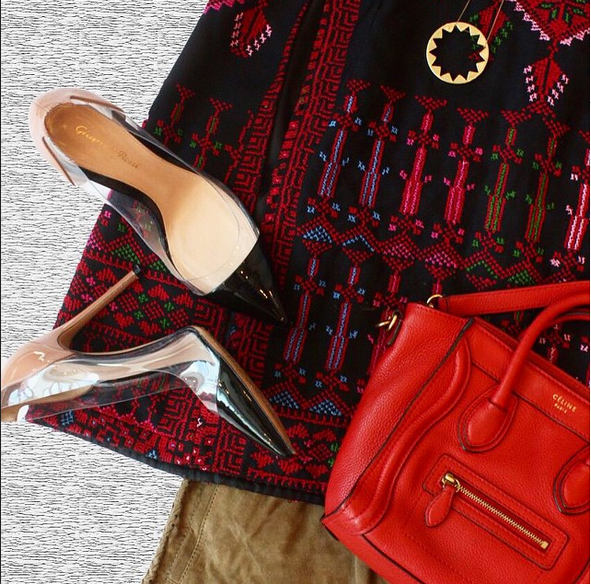
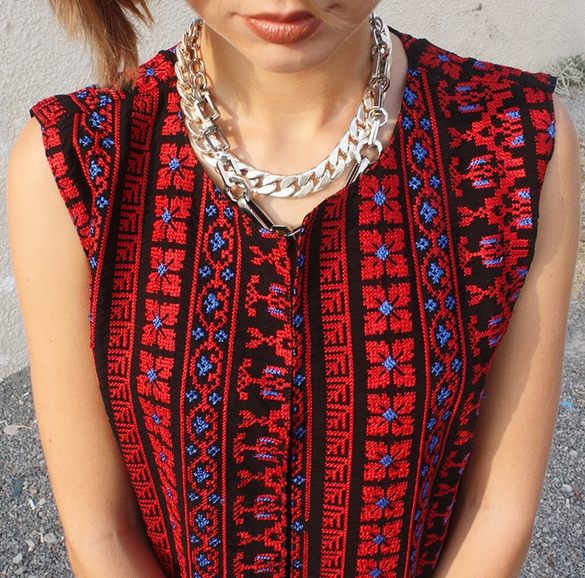
Tonight's #ootd 👠👛 shop #PalestineCollection online now! #ShopNow www.allthingsmochi.com

I first came across Mochi designs maybe around 2 years ago when the designer Ayah Tabari launched or took Mochi viral. I remember being drawn to the details and embroidery of her designs. As I started to research the elements of uniqueness and beauty behind her collection; I noticed it is the designs simplicity of her silhouettes, and the focus on the beauty of the embroidery itself, that i admired..

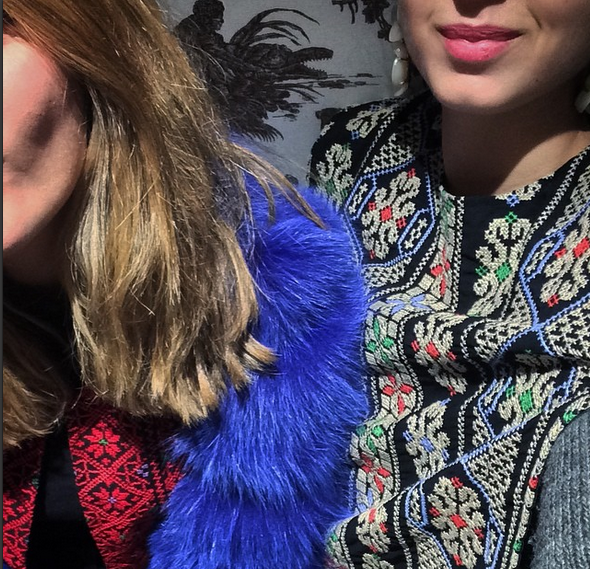
Dream team take Paris ⭐️💫✨ @poccaa 🙌🇫🇷💙❤️✌️ #mochi cape top #mochi jacket #paris#love#Tranoi#tradeshow#work#fashion#allthingsmochiEach line at Mochi is inspired from a different culture. The first three lines were inspired by Jaipur, Hungary and Thailand. As for her fourth collection, I decided to share on my blog since it is my favorite line of all: The Palestine Collection.

There is something exquisitely beautiful about creating work of Art from our very own culture. And this collection available at Mochi today, is what I call: a true work of Art.

The freedom to use what was once created by our ancestors, and to make it fit our everyday lifestyle is just phenomenal. The beauty of embroidery is magnificent. They are symbols, and colors that represent stories like I have explained further in my Golden threads of Bethlehem post. What is also very beautiful in the Mochi designs, is that they are all finely cut, simply made, with consistency to one clear message: Whoever you are, where-ever you are, we can all Enjoy the beauty of embroidery.

When you wake up and see this beauty @gigihadid 💚💚 wearing a #Mochi Cape jacket featured on @teenvogue 🙌💆👯🙅🙆💁 #PalestineCollection#love#ootd#happy#overthemoon#celebrity-crush#green#embroideryAnd what is better than a collection inspired by our culture? By our Palestine? What better than ancient art that have inspired many and is still inspiring many more to come? What is better than using our talent to send our messages of love through art across the world?

I look forward to explore and find more beautiful work of Art from our culture and your culture, that speaks a common language of existing beauty, made, to share with the whole wide world. Shop at Mochi.

It's all in the details 💌💋 #PalestineCollection now available online ✌️ #ShopNow www.allthingsmochi.com #AllThingsMochi #TheArtOfEmbroidery


If you liked this post you will also enjoy: Cecilie Copenhagen, Threads of Bethlehem, Paris Fashion Week  


What is behind the beautiful designs of Cecilie Copenhagen and the Palestinian Keffiyeh? شماغ فلسطين في الدينمارك

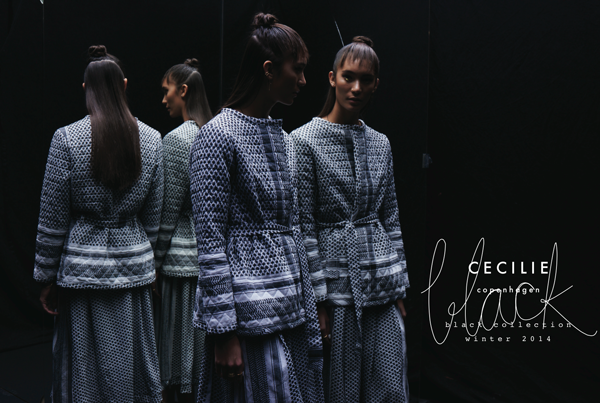
Cecilie Copenhagen Shmakh Hatta كوفية حَطّة شماغAs I stumbled upon Cecilie Copenhagen on instagram, I immediately fell in lover with her designs. I also then started wondering, if there is a message behind her collection? But I didn’t find any messages. The only message I concluded that the designer behind this collection just fell in love with the fabric, that to most of the Arabs is very political.

And since am an Arab, I must admit my attached relationship to this fabric, that we refer to as “kufiya الكوفة, shemagh شماغ, or Hattah حَطّة”. This fabric means so much more than just a scarf, it is a statement. To me, it is a remembrance of my love and belonging to a home that I am not allowed to refer to freely, as my home. It also gives me a sense of unity, to every and to each person that carries or wears this scarf around themselves. This fabric is a connection, it is the dream for unity, human nation equality, for eternal world-wide peace and love.

(Photos belong to Cecilie Copenhagen.)

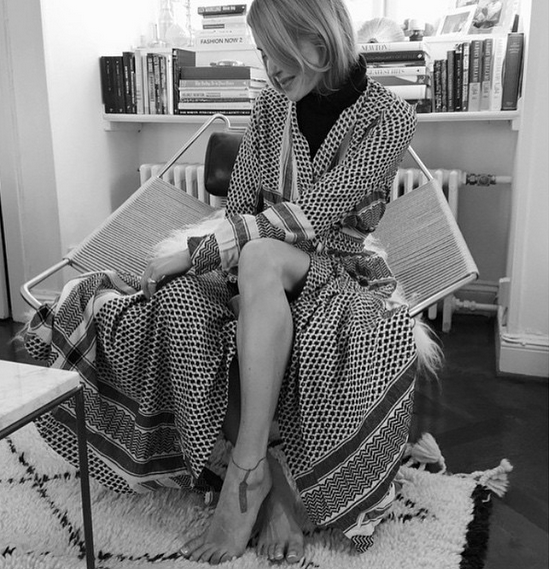
To Arabs, this is a fabric used as a scarf for protection against sunburn, cold wind, dust and sand. It comes in different colors, but mainly black & white or red & white. To Palestinians, the black & white scarf grew to become a symbol, a national fabric, a political message worn to most protests and events. It is a statement of Palestinians rights to return home, Palestinians right to full human rights, and the recognition of Palestine, the land that has been occupied and terrorized since 1948.

(Photos are from google and are not related to Cecilie Copenhagen Collection.)

This fabric has been recently used by many designers, Arabs and non Arabs, who tried to create a trend, a fashionable statement in combination with its political symbol. But I must admit, that the designs of Cecilie Jorgensen who is behind Cecilie Copenhagen that claims to have nothing to do with politics and yet has everything to do with fashion; are just beautiful.

(Photos belong to Cecilie Copenhagen.)

I personally can’t wait to see what is next and I can’t wait to order from her website Cecilie Copenhagen or from Browns Fashion. You can read more on Cecilie Copenhagen from the following blog posts: Rich Girls, Rosy Cheeks, Sage and Clare, and Cover.

Cecilie Copenhagen

Golden threads of Bethlehem; an Exhibition not to be missed nor forgotten.

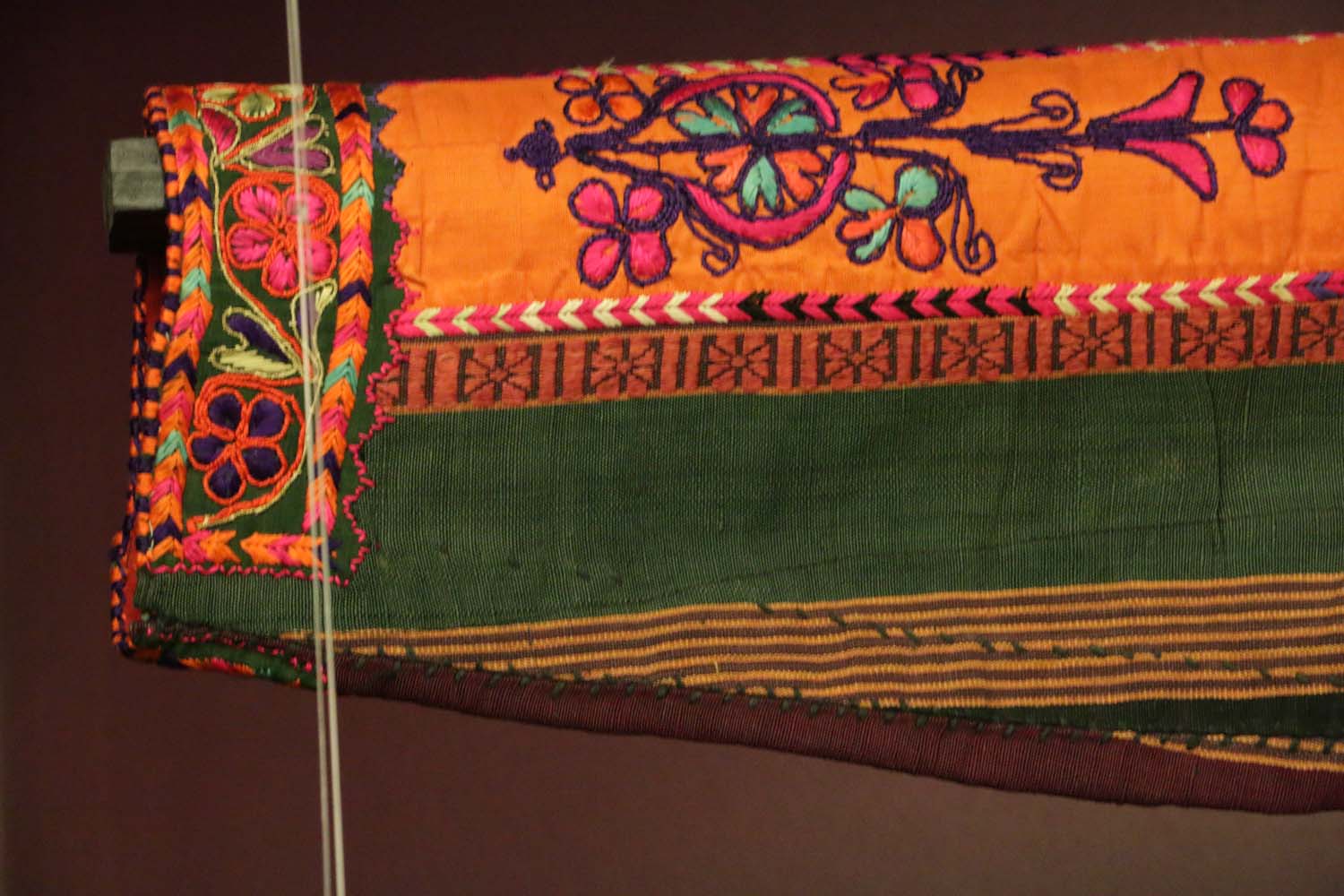
The-Work-Of-Art-Palestinian-EmboideryWhat a beautiful exhibition, if we can only have more of them. I feel thirsty to learn about my culture, to learn about the beautiful existing artists and talents in this region I live in. Golden Threads of Bethlehem is an exhibition held by Tiraz in Amman, Jordan, in the name of the vibrant, creative, artistic, cultural legacy and costume industry of Bethlehem, Palestine, during the period of 1880 to 1948.

These threads are threads of Bethlehem, with tales of Palestinian people, with hand work of embroidery by Palestinian woman, made with love and has been cherished and saved by Widad Kawar for long and now are exhibited to tell us that history will remain the story of our lives. As the Tiraz Centre Profile puts it, “Golden Threads is about more than remembering the past: it is an attempt to bring a tradition to life. It is a visual-historical reference point to what Bethlehem and Palestine once were and, one day, will become again.”

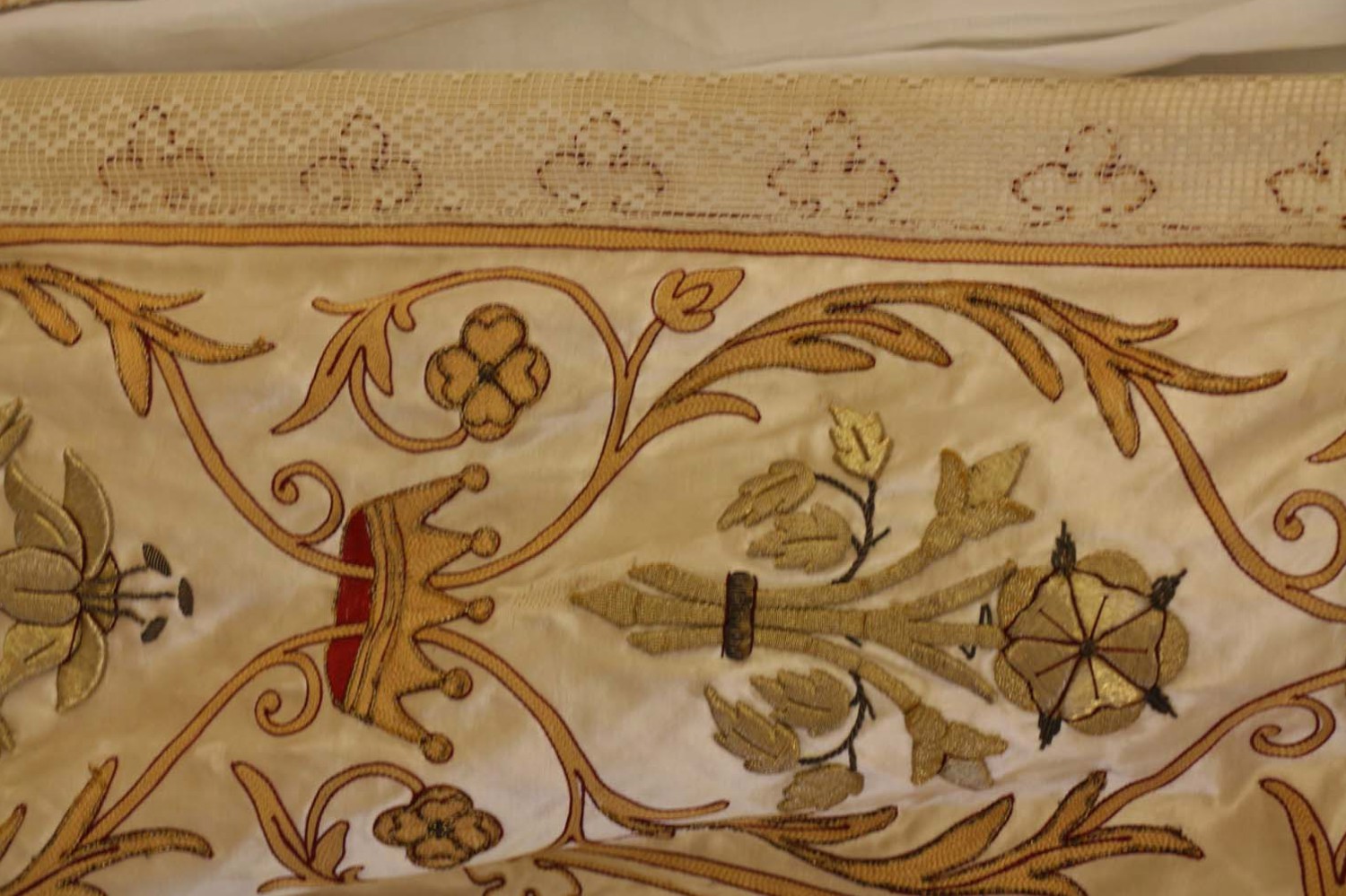
What I loved the most about the exhibition, is the colors, the fabric, the embroidery of each piece displayed. They are more than breathtaking, pieces of art, historic hand-made poetry. Each drawing is a symbol, each pattern is a story, every color has a tale, this is Palestinian haute couture, made by Palestinian women writing stories for woman to carry around. Palestinian-Embroidery-Bethlehem

“Before the 1967 occupation, any traveler to Bethlehem would first have been struck by the rainbow-colours of the women’s costumes. In Bethlehem, the typical costume was called “Malak” meaning “Royal, Angel, Queen” described as the “Queen of Dresses” in Palestine. The women of Bethlehem set the fashion trends for village women in the towns of Beit Jala, Beit Sahour, Ein Karem, Malha, Artes, Silwan. Lifta and among others who often wore the malak as their wedding dress. Their versions were often heavily embroidered.” (From the Golden Threads of Bethlehem Exhibition Booklet with minor edits.) 

“One of the most famous weaving factories belonged to the Naser family. Ibrahim Naser established in 1892. The factory also produced green stripped “ikhdari” fabric and burgundy “jiljili” cloth. Wollen cloth “Abaya” for men were woven in stripes of natural colors off-white, brown, and black. The first velvet “Malak” costume to be introduced to the market in 1928 when Najib the son of Ibrahim sent a piece of the Malak fabric to Krefeld, Germany to have its striped design reproduced in velvet.” (From the Golden Threads of Bethlehem Exhibition Booklet with minor edits.) 

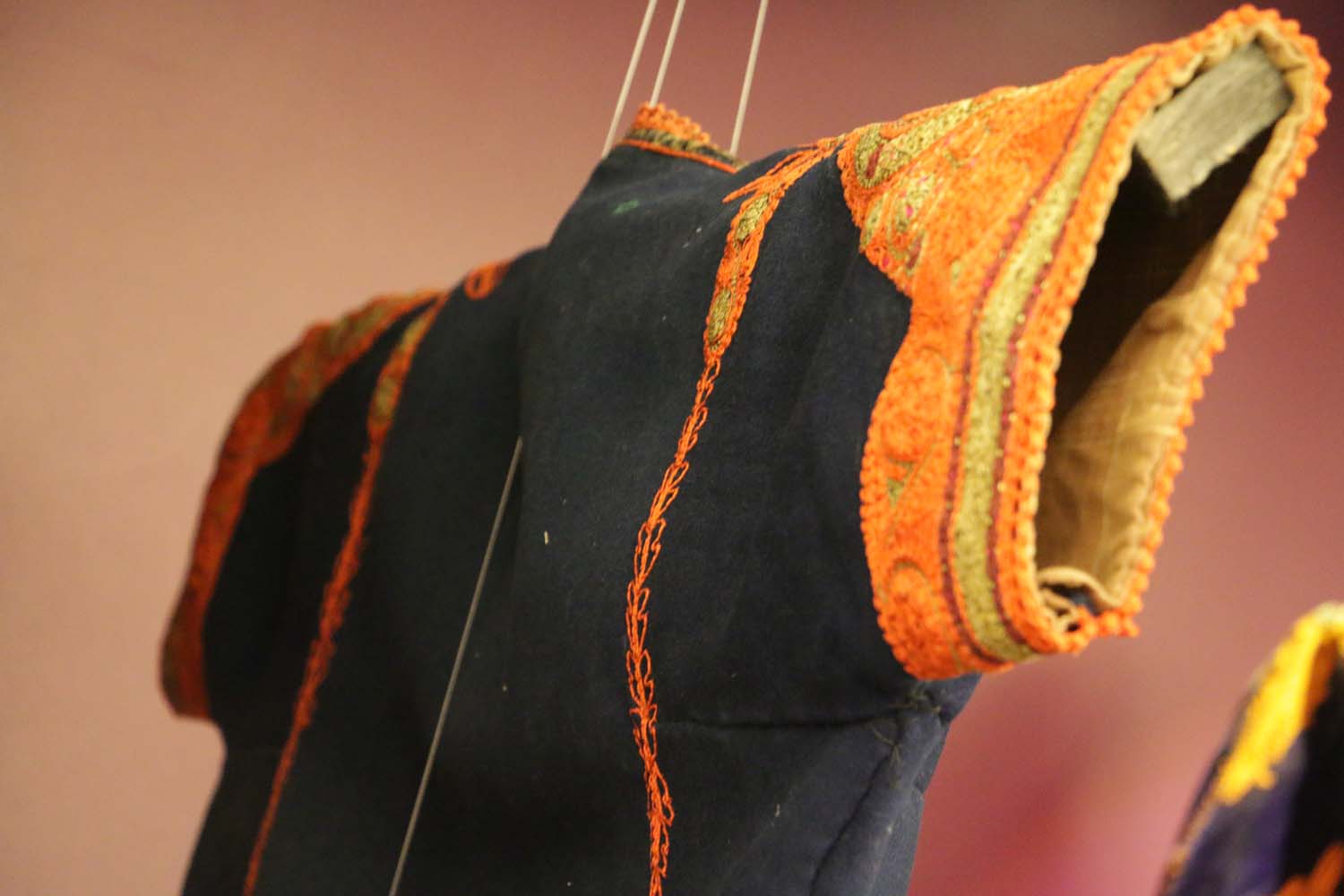
The “Malak Dress” is a dress fit for a queen as Tiraz puts it in display and words. The malak dress is a masterpiece, it was custom to get married in this dress, and some women asked to be buried with it and therefore most of the dresses are lost. The main form of embroidery used is the “tahriry” or what is known as the “couching stitch”, and the thread used is usually silk or gold cord. The space between the stitch is usually filled with satin stitch in many colors of silk thread.

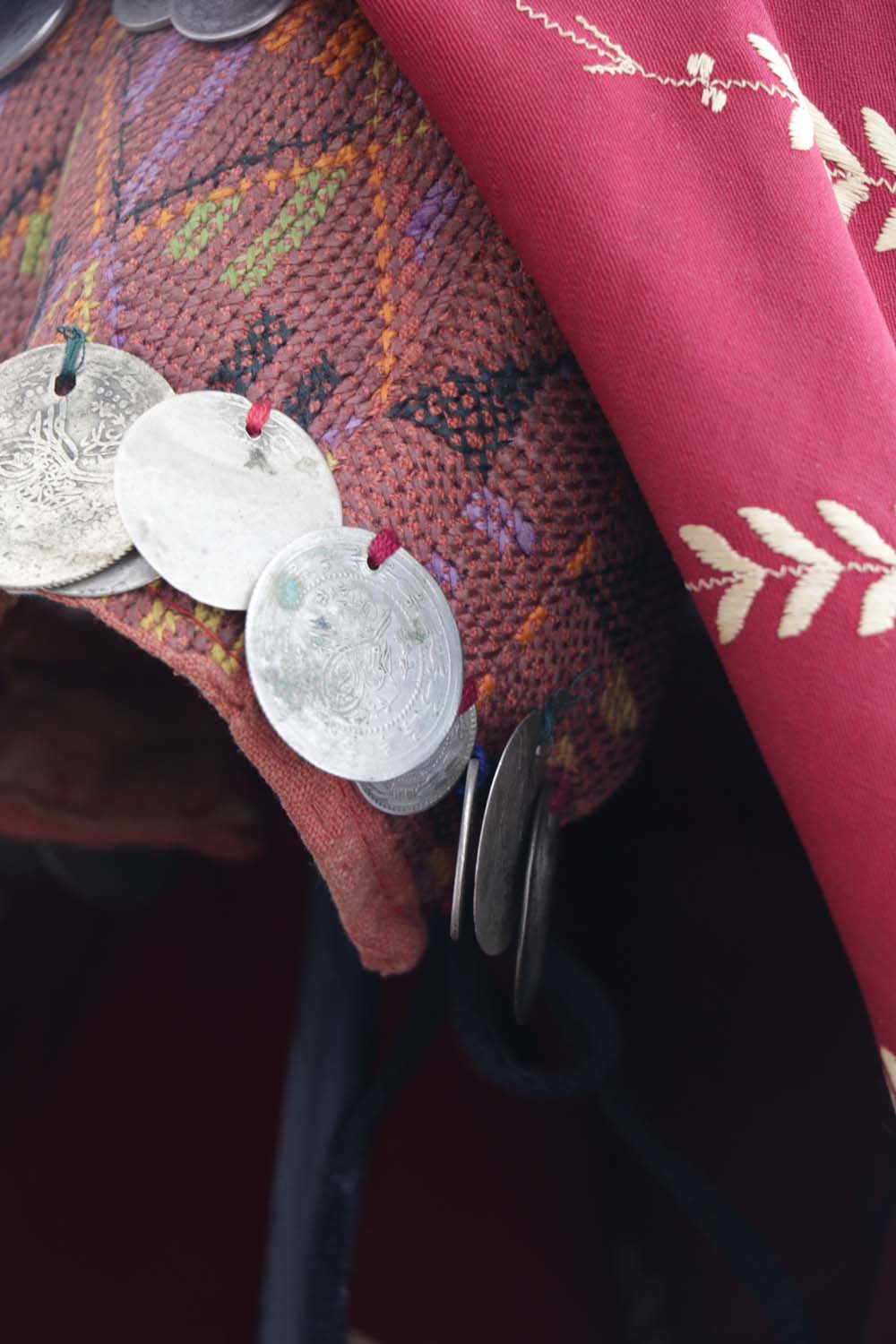
The head-piece is called “Shatweh” which is also called the woman’s crown in Bethlehem. Made with red or green felt and decorated with embroidery and coins. It was also only worn by married women. (The picture below is of Embroidered traditional bridal headdress from Beit Dajan with Ottoman coins called weqayeh)Palestinian-Embroidery-Bethlehem The mini jacket is called “Taksiri” which the women would wear over the malak dress. The dress is usually made using felt or velvet fabric and embroidered in silk thread or gold cord. Embroidery in Palestine Bethlehem Birthplace of Jesus, destroyed then rebuilt by the Romans, and subjected to the Arab, Ottoman, and British rule, the eternal town of Bethlehem has been a place of pilgrimage and importance for Christians, Muslims and Jews for many centuries. For Palestinians in particular, it is a homeland which recalls memories of a more peaceful and gentle time. Despite the fall of the Ottoman Empire and Balfour declaration in 1917, day-to-day life continued in Palestine much as it was before. Few then understood the chain of events that would result in the 1948 war and the forced exodus of over 700,000 Palestinians from their land, and the placement of the city under occupation. Palestinian embroidery Today, and thanks to Widad Kawar, and to all her supporters and sponsors, what was her dream, and the dream of many Palestinians has now been turned into Tiraz. A new home for Widad Kawar’s collection of traditional Arab dresses. Widad started her collection out of passion to preserve a disappearing rich textile and embroidery heritage in her homeland Palestine, and extended it to Jordan and other Arab countries with pieces from the 19th and 20th centuries. Today she has over 2000 costumes and weavings set aside at Tiraz Center not to mention the total number she has stored.

If you are anywhere in Jordan, or close by, and have the chance to visit exhibitions, then i recommend you take that chance to go and visit the open exhibition of “The Golden Threads of Bethlehem“. The exhibition will be running until March 28th 2015. When I went, there were also other beautiful items from local oriental designers like Khordda, Al Burgan Handcrafts, and Inamullumani.

All pictures were taken using my all time favorite Canon 70D, information in this post are all from the Tiraz Center Profile. Drawing of an Arab woman with many traditional dresses This drawing was made by Linda Kilani after her visit to the exhibition.

What about Human Rights? A post on the real world behind one of the Palestinian refugee camps in Jordan.

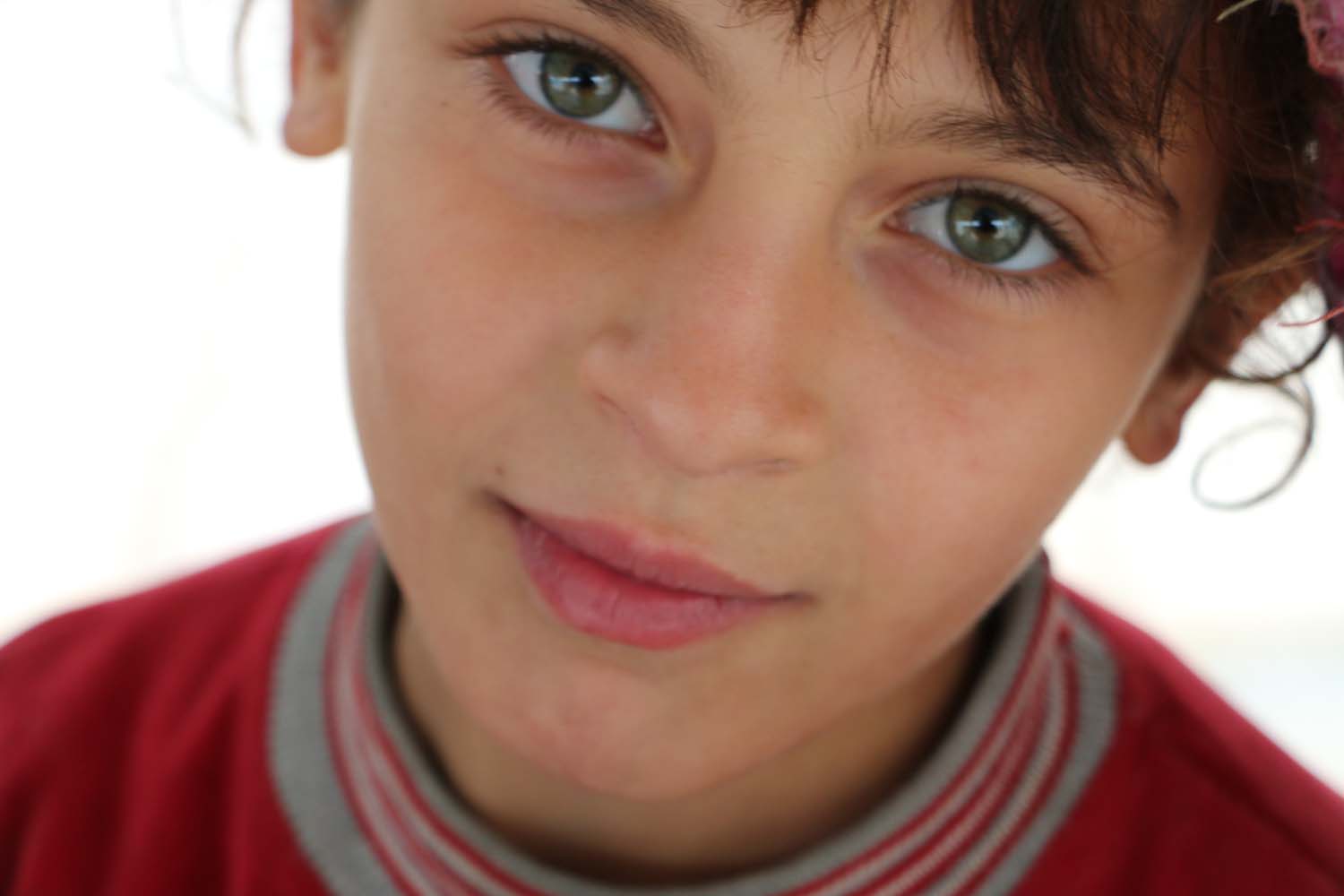
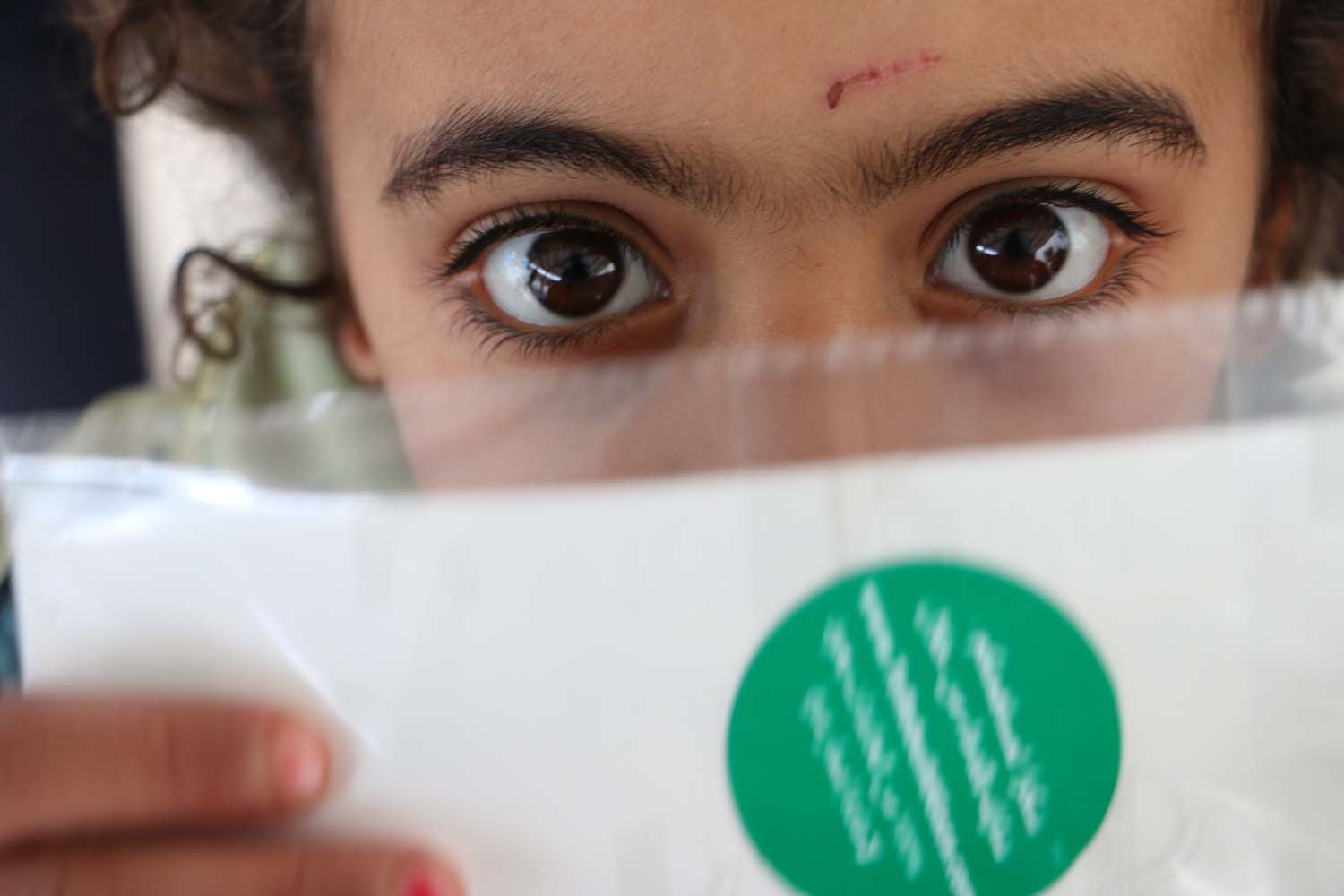
Gaza-Refugee-Camp-Portrair-Green-Eyes-1
It was a Saturday, one freezing Saturday, rained half of the day, I was in a car with 3 people, followed by another car and a small truck. We drove into a rustic area, filled with mud, and it looked so squishy and pale. A place that screams out poverty, as sadness walks into our hearts. We parked our cars and started walking towards a blue door, a United Nations school, as we walked into the school, I saw simple drawings on the walls but the drawings felt lifeless. I tried my best to keep my thoughts inside my head and be patient to see and learn more about this place. We were welcomed by a very sweet lady that had the hijab on and worked for the PCRF, she warmly welcomed us and seated us, and another 2 men walked into the meeting room as they all started to tell us about the camp and the unjust and unfair living situation. With every word that came out of their lips, they managed to yet keep a positive energy around them, words of hope and wisdom. They sarcastically spoke about the basic human rights that they are unfortunate to, they are so hopeless yet have accepted their conditions and living standards and continue to “silently” demand the respect of simply being human. They spoke about the discrimination towards them and what they encounter in their daily lives as refugees living in refugee camps “of-course not by choice” and are not entitled to any nationality and have no rights to own a passport “also not by choice”. As they were speaking, I drifted in terrified wonder, I suddenly realized that I can no longer feel my nose for it felt frozen, and so I started gazing with my eyes wide open at the people who came with me if any of them seemed to be experiencing the same cold. I then noticed the smoke coming out of their mouth while they spoke. It was freezing in there.

I then started to hear voices of children, running around, and playing, sounds of laughter, and answers to questions, I started to think about what could the reasons be to have a United Nations school function in the cold with no heat. I started to question myself about who would be responsible for this school? Is it just an architecture with no supervision? Are schools supposed to be mandatory warm when it is cold outside? Or did I just happen to misunderstand the full concept of life and human rights?

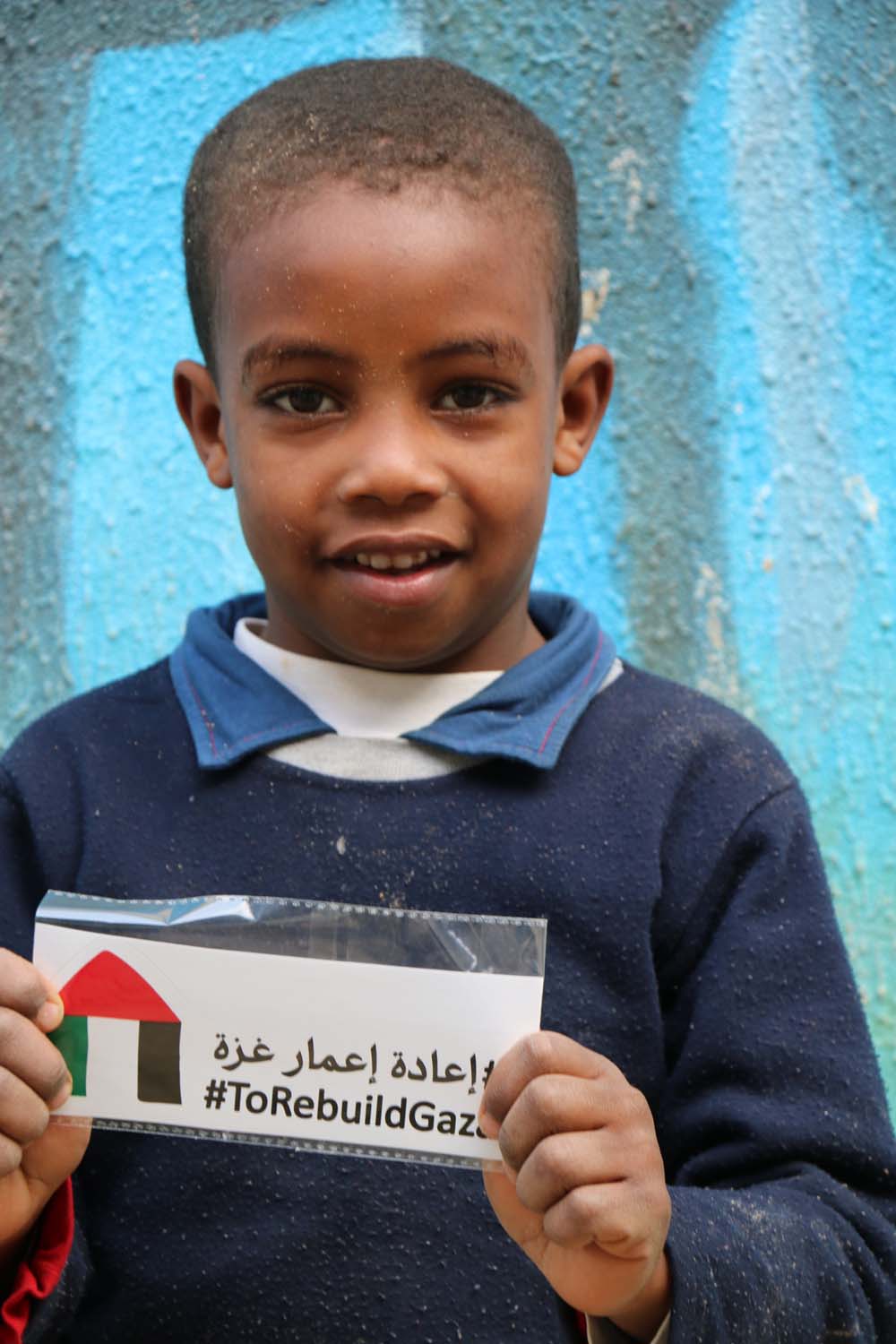
It was last weekend, when I joined a beautiful group of people who took part of the project To Rebuild Gaza that aimed and succeeded in collecting and fundraising blankets, winter clothing’s and gas heaters for the Gaza Refugee Camp in Jordan.

It was my first time to go and visit the Gaza Refugee Camp or what is also known as “the Jarash Refugee Camp“. At first I thought most people were from Gaza, “a city in Palestine” and so are called the Gaza Refugee Camp, but to my surprise I learned that those are refugees of the occupied territories in Palestine “Unfortunately what is known today as Israel” who were forced like many other families to leave their homes and cities, and so those Palestinians ended up refugees in Gaza during the 1948 nightmare of the Israeli occupation. In the 1967 conflict those families had to leave Gaza to Jarash, and this, is how the Gaza refugee camp was formed in Jordan.

“What about Human rights?”

Palestinian refugee kid

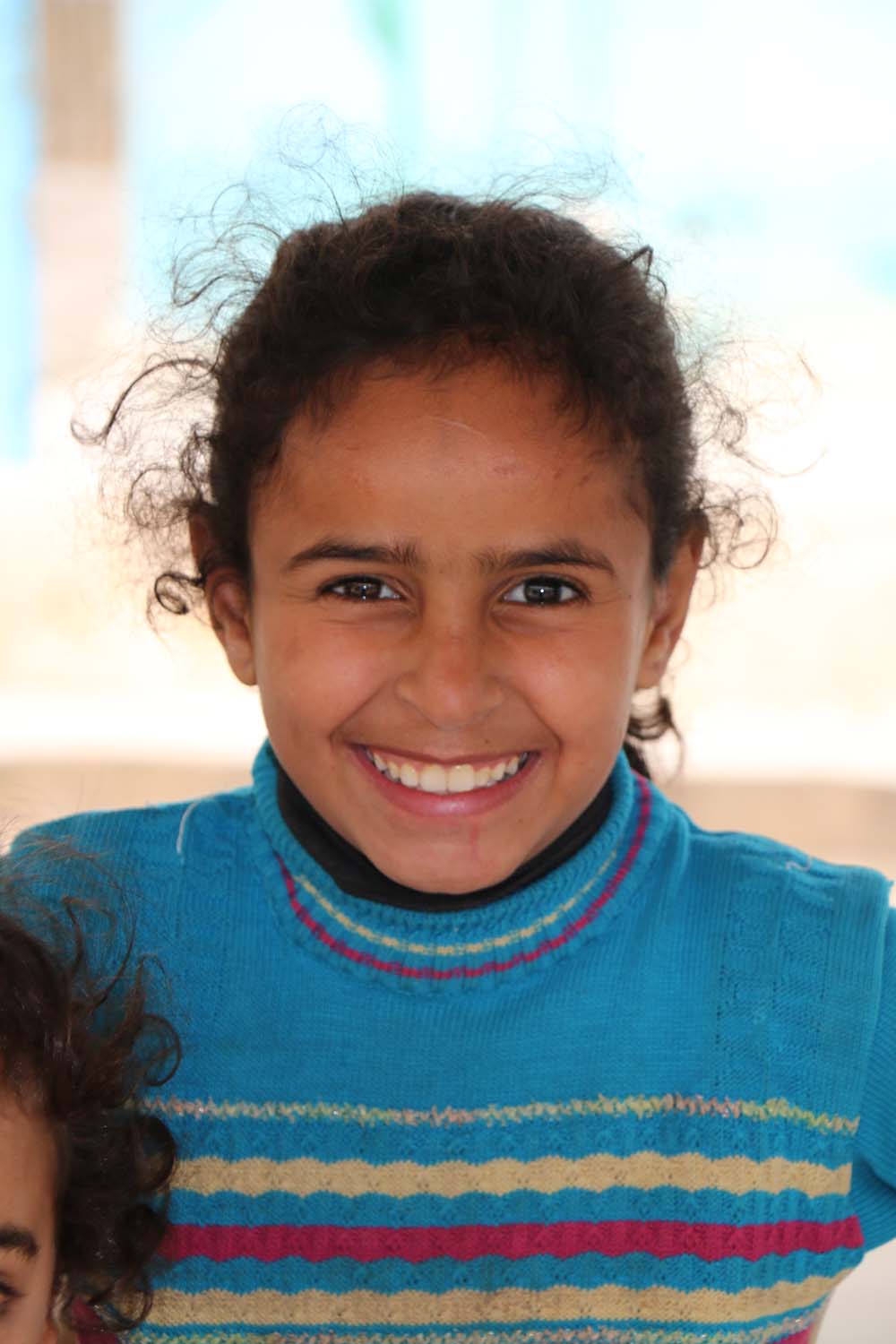
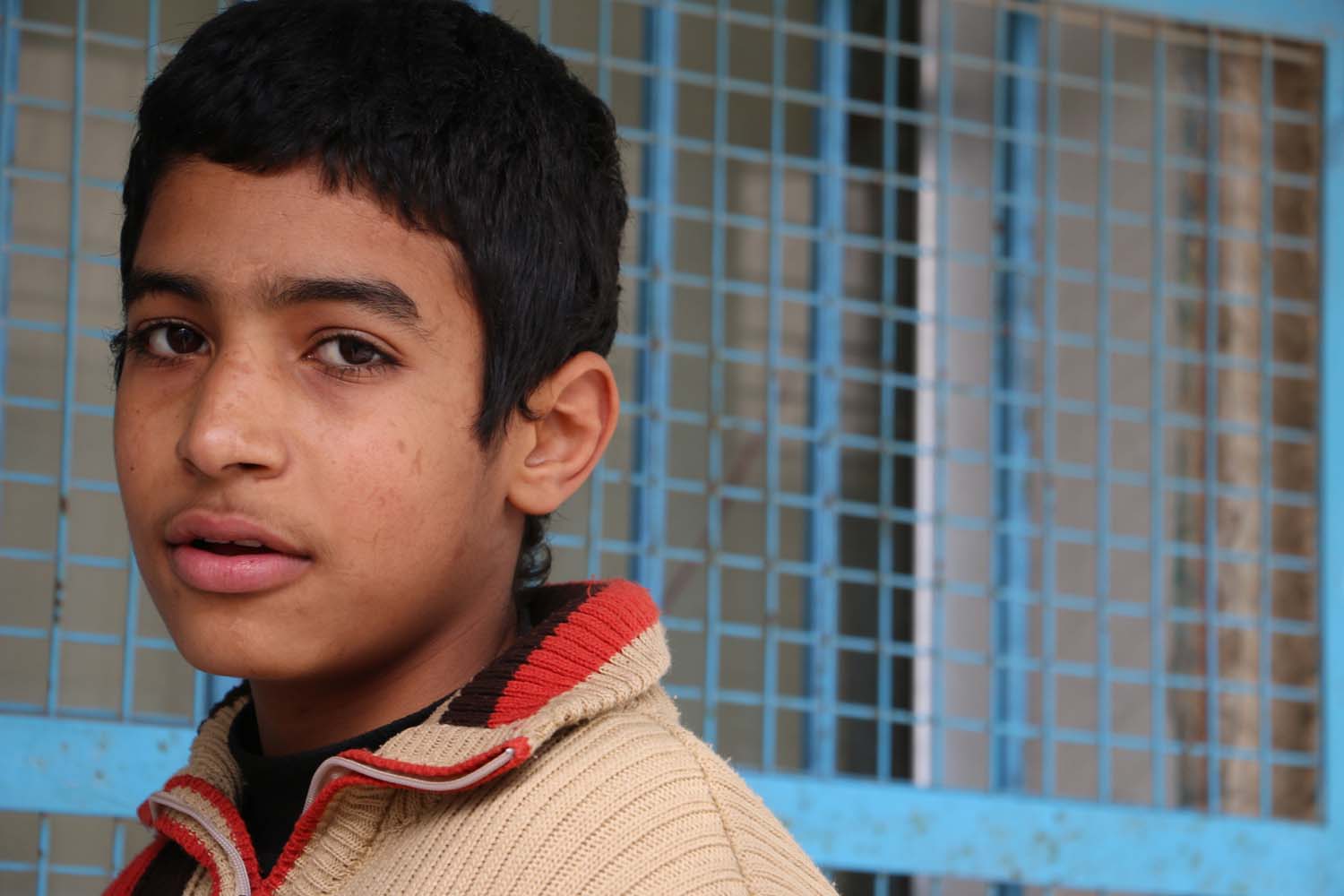
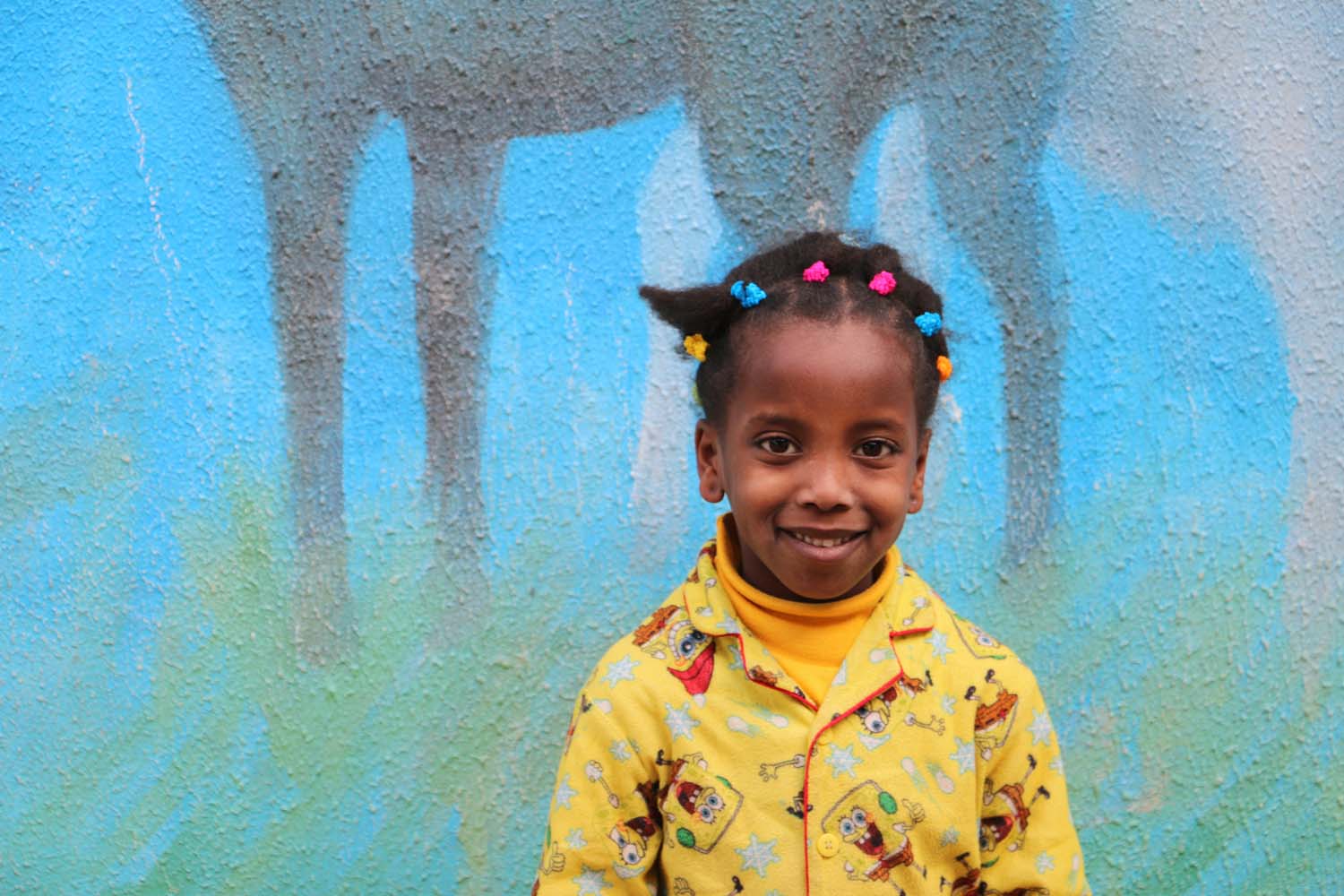
While the group I was with started organizing the items and calling in families to give them what they needed for winter, I decided to stay and play with the kids. The kids were incredible, so much energy, and laughter, they were all in slippers and with no jackets, and did not seem to feel cold or complain at all. They seemed to be so happy to meet new people running around from one person to another. There were already few foreign volunteers there playing with the kids. I had my camera with me, and the kids started to play with it and pose for me to photograph them.

Those kids are adorable, not only adorable, they are beautiful, they want to have fun, they want to color, and draw, they want to communicate, they want to challenge one another, they want to be part of life. They are Human. Why is it that things are not the same for them? Why is it that they have no rights to feel belonging? Why is it okay for the people who were responsible for them being refuges to never ask about them?

Palestinian Refugee camp

I understand that the universal deceleration to Human Rights was created by the United Nations back in 1948 exactly when Palestine went through “Al Nakba” where over 700 thousand Palestinians were forced to leave their homes during the Israeli war of independence. I understand that the United Nations was established in October of 1945 during the time the British were helping thousands of Jewish immigrants enter Palestine from the World War II without taking into consideration the results of all the refugee Palestinians. I understand that the United Nations was established with a goal to prevent another conflict to happen like the World War II while they were the ones behind the resolution 181 that ended in allowing Palestine that was fully inhabitant by Palestinians “Muslim, Christian and Jewish” to become a Jewish state and the state of Israel. I understand that the above is the result of 2,097,338 registered Palestinian refugees in 10 refugee camps in Jordan, 449,957 registered Palestinian refugees in 12 refugee camps in Lebanon, 526,744 registered Palestinian refugees in 11 refugee camps in Syria, 762,288 registered Palestinian refugees in 19 refugee camps in the West Bank, and 1,258,559 registered Palestinian refugees in 8 refugee camps in Gaza that were all setup and are all running by the United Nations. What I don’t understand is how the United Nations have failed to find a solution for all the refugees they have set up, and how the Palestinians until today do not have the basic rights to return to their homes, and how the United Nations is one of the factors for the ongoing Israeli-Palestinian war that defeats its own purpose.

What about the Universal Declaration of Human Rights created by the United Nations in 1948 exactly when all those refugee camps were also setup? What about all those refugees who are not entitled to any of the following:

  1. All human beings are free and equal.
  2. No discrimination.
  3. Right to life.
  4. No slavery allowed.
  5. No torture.
  6. Everyone around the world has the right to recognition as a person before the law.
  7. Everyone is protected by the law.
  8. Everyone is entitled of fair treatment by fair courts.
  9. No unfair detainment.
  10. The right to trial to everyone.
  11. Innocent until proven guilty.
  12. The right to privacy.
  13. Freedom to move and travel.
  14. Freedom to immigrate or move to another country.
  15. The right to nationality.
  16. The right to marry and have a family.
  17. The right to own property.
  18. Freedom of thought.
  19. Freedom of speech, opinion and expression..
  20. Freedom to meet and assemble.
  21. The right to Democracy.
  22. The right to social security.
  23. The right to work.
  24. The right to play.
  25. The right to basic needs: Bed, clothing, food, housing, medical care, new born care..
  26. The right for education.
  27. Culture and copyrights.
  28. To live in a free world with fairness.
  29. Everyone is entitled to duties towards the laws and must be responsible for when they exercise the contrary.
  30. No one can take these rights and freedom from anyone.

For original link and full articles of the above Human Rights Click Here. And I repeat…..What about the people in refugee camps? What about the kids who were born in refugee camps? or are they not part humankind?

Gaza-Refugee-Camp-UN-School-Group-Photo-Portrait-Yellow-Girl

Believe it or not, but speaking from what I know of the Palestinians living in refugee camps, they are not entitled to 80% of the above human rights declared by the United Nations and yet all the refugee camps are set up by the United Nations…

So is there an exit plan to your business plan? Do you have a solution? Or maybe a solution to the problem you created? Or are those who create the rules are really permitted to break them?

Gaza-Refugee-Camp-UN-School-Group-Photo-Portrait-Kid-boy

For more information on To Rebuild Gaza who are fundraising towards building a pediatric cancer department in Gaza with the PCRF “The Palestinian Children Relief Fund” and also are creating a great awareness campaign towards the last attack on Gaza that killed over 2000 Palestinians from Gaza, visit their website or facebook page. To read more facts and information about the Gaza Refugee Camp click on this link SamarTravels.

Gaza-Refugee-Camp-Portrait-Kid-1

A beautiful desert view overlooking Palestine & the Dead Sea. Visit Mukawir.

For Detailed Page visit Mukawir, Machaerus

The historic ancient attraction in Jordan of the Mukawir Fortress Black and white

Mukawir is a historic attraction in Jordan that is about one hour and a half drive from Amman, around 30 to 40 minutes from Madaba.

I advice you wear something comfortable and somewhat conservative, comfortable sports shoes, and go by car or taxi. It is around 20 minutes walk up the hill or around 35 minutes if you are taking photographs on the way.

The historic ancient attraction in Jordan of the Mukawir Fortress Rainbow sunset

The historic ancient attraction in Jordan of the Mukawir Fortress

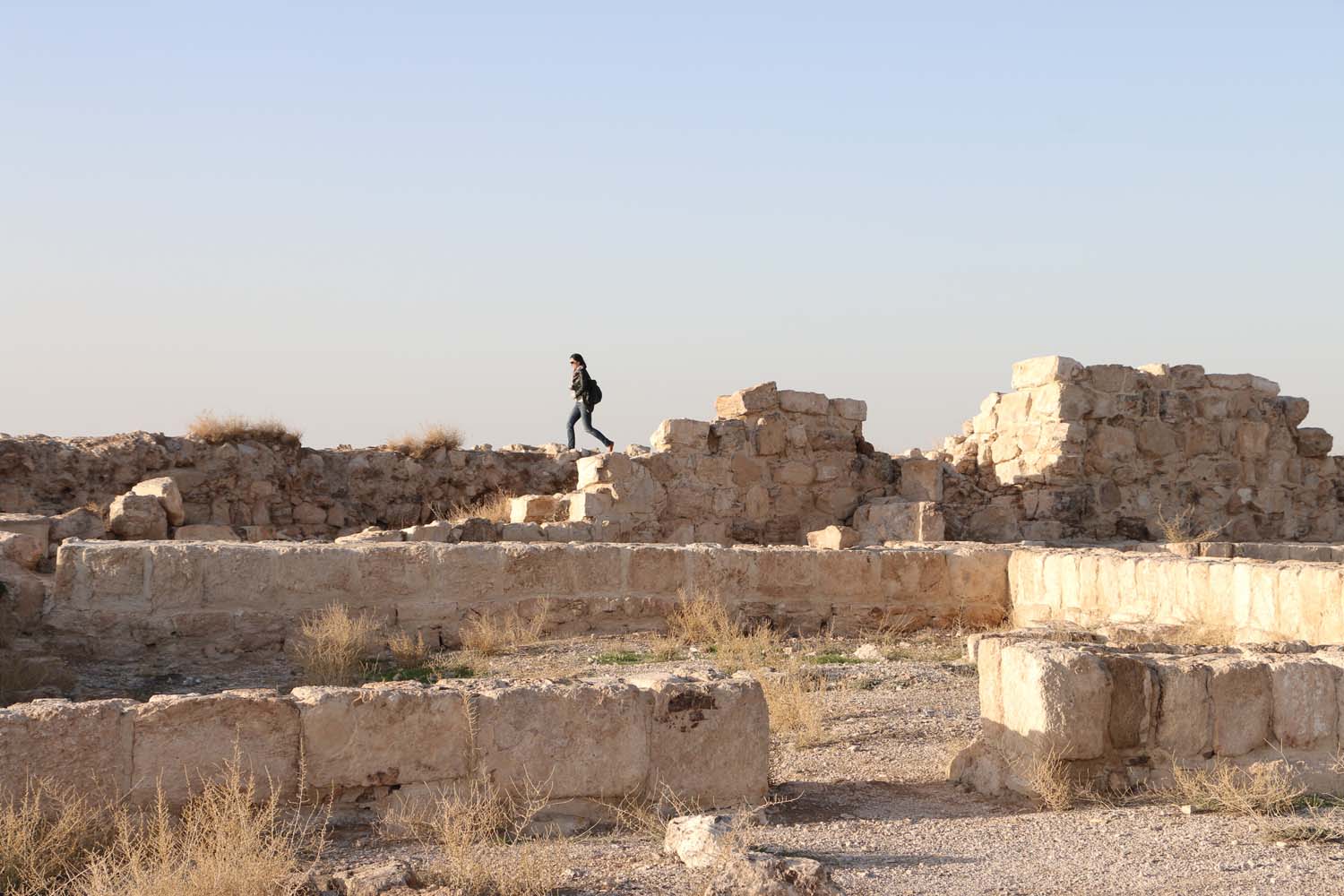
Mukawir Fortress was built by Alexander Jannaeus in the first century BC and is a religion biblical story of Salome the dancer who danced to Hadrian to get John the Baptist “Prophey Yahya bin Zakaria” beheaded. It was said the John the Baptist was imprisoned for 2 years and then beheaded. In 70 AD, the fortress was destroyed by the Romans while under the emperor of Titus.

The historic ancient attraction in Jordan of the Mukawir Fortress

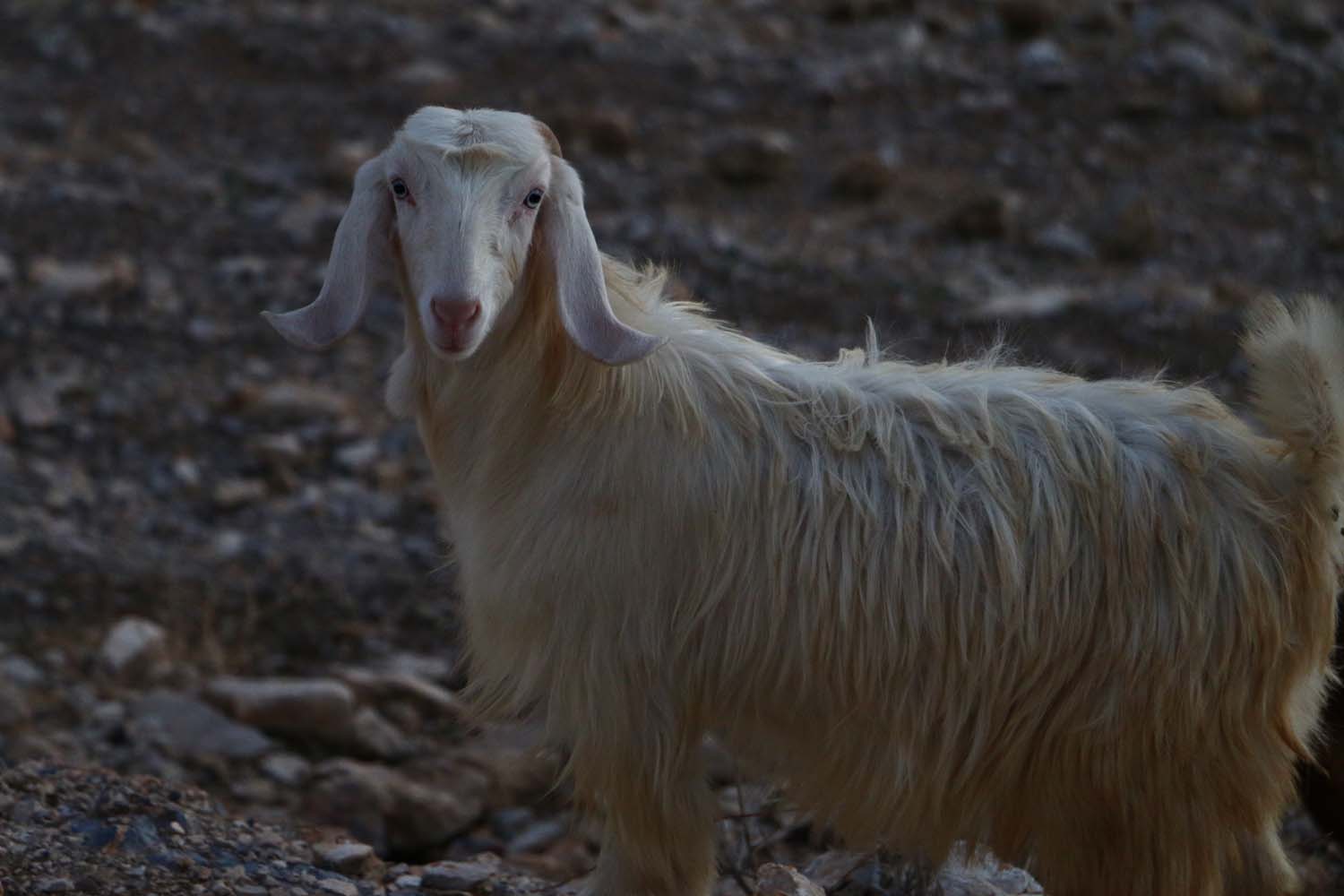
Sheep Portrait

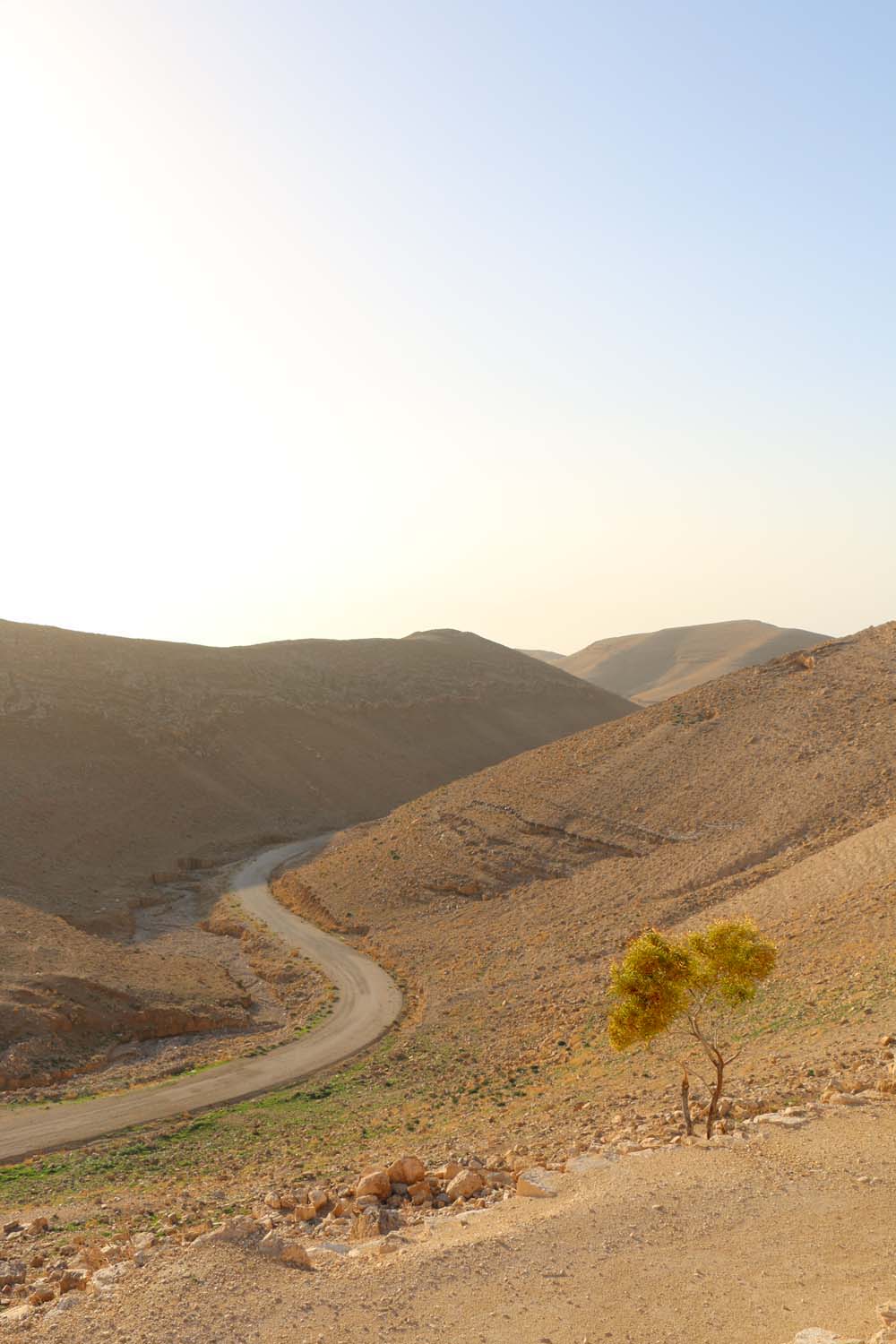
There is not much to see, but it sure is worth the visit, the colors of nature, and the fresh air is just sensational, the walk up is very easy and takes very little time, it is not so busy and not visited much so usually serene and calm.

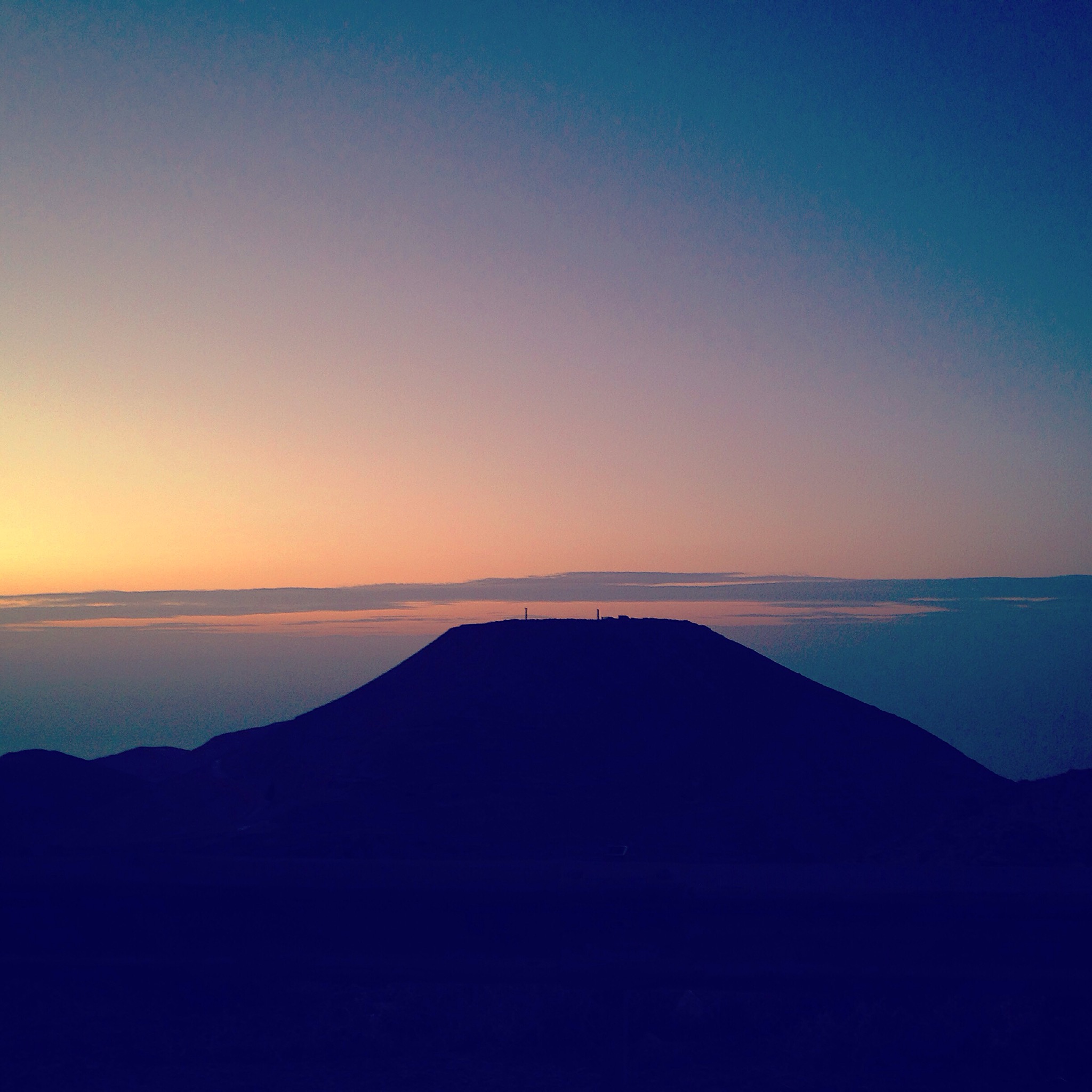
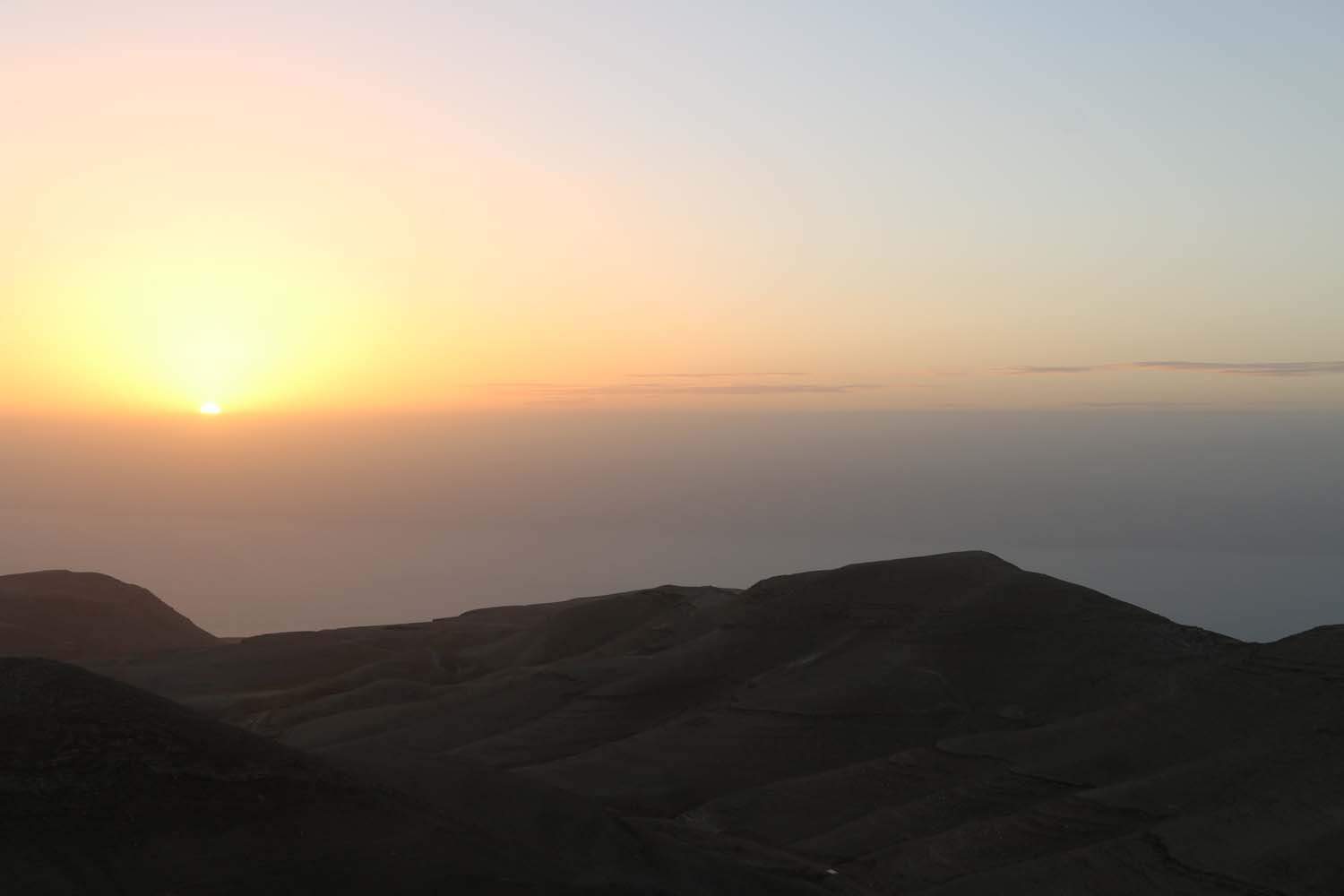
My favorite part of Mukawir is the view that over looks the Dead Sea and Palestine, it is breathtaking when the sky is clear, and I would defiantly advice you go right before sunset because the view is just magical and worth staying for.

The historic ancient attraction in Jordan of the Mukawir Fortress SunsetSunset